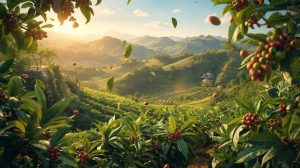
Climate change threatens the future of global coffee beans. Emmit Jones Koffee discusses the real impact, innovative solutions from farmers, and our commitment to sustainability in the roastery industry.
If you enjoy a cup of coffee every morning, there is an urgent global conversation that we need to pay attention to. The coffee world, from farmers to roasteries like us at Emmit Jones Koffee, is facing its biggest challenge: climate change.
This is no longer just a frightening prediction, but a reality that is already being felt in coffee plantations from Latin America to Indonesia. Rising temperatures, unpredictable rainy seasons, and new pest infestations threaten the global coffee supply and quality.
So, where do we all stand in the face of this crisis? Let’s take a systematic look.
The Real Impact of Climate Change on Your Cup of Coffee
What is actually happening at the farmer level?
- Shift in Planting Areas (Altitude Shift): Arabica coffee, the heart of specialty coffee, only grows optimally at certain altitudes with cool temperatures. Global warming is forcing farmers to move to higher altitudes, which are often unavailable or already used for other purposes.
- Decrease in Quantity & Quality: Heat stress and water shortages cause a decline in crop yields. What is more concerning to us as roasters is the decline in quality. Coffee beans become less dense, which directly impacts the complexity of flavors in your cup. Bright acidity can fade, and the body becomes thinner.
- Pest & Disease Outbreaks: Coffee leaf rust and coffee berry borers can now thrive in areas that were previously too cold for them, damaging more plants.
Fighting Challenges with Innovation: Solutions Developed by Coffee Farmers
Behind the grim challenges, inspiring stories of innovation and resilience emerge.
- Climate-Resistant Varieties: Research institutions such as World Coffee Research are developing new coffee varieties that are resistant to leaf rust disease and more tolerant to drought. Varieties such as Marsellesa or Starmaya are being planted to secure future supplies.
- Regenerative Agricultural Practices: Farmers are turning to methods such as planting shade trees (agroforestry), which not only cool the soil temperature but also increase fertility and absorb carbon. Mulching and water conservation practices are also being increasingly implemented.
- Precision Technology: Some progressive farmers are starting to use soil moisture sensors and weather data to optimize irrigation and fertilization, reducing waste and stress on plants.
Emmit Jones Koffee’s Commitment: More Than Just Buying Coffee Beans
As a roastery, we believe that our responsibility does not stop at the roasting machine door. We are committed to being part of the solution through:
- Building Ethical Direct Partnerships (Direct Trade): We strive to purchase coffee directly from farmers or cooperatives that implement sustainable agricultural practices. This model ensures fairer margins for farmers, providing them with the capital they need to invest in climate adaptation.
- Supporting Farmer Diversification & Resilience: We actively seek out and promote coffee from farmers who grow climate-resilient varieties or implement agroforestry systems. By purchasing their products, we provide financial incentives for better practices.
- Transparency from Farm to Cup: We will tell stories not only about the taste of coffee, but also about where it comes from, who grows it, and the challenges they face. Educating consumers is key to building broader support.
- Sustainable Roastery Operations: We continue to optimize energy use in our roasting machines and prioritize packaging that is recyclable or biodegradable.
Your Role as a Coffee Lover: The Power Behind Every Sip
Consumer choice has great power. Here’s how you can contribute:
- Choose Roasters Who Care: Support local roasteries such as Emmit Jones Koffee that are transparent about their coffee bean sources and sustainability commitments.
- Appreciate Coffee as an Agricultural Product: Understand that coffee is a vulnerable agricultural product. The slightly higher price for specialty coffee often reflects more sustainable production costs and fair wages for farmers.
- Reduce Your Carbon Footprint: Consider using manual brewing methods that don’t require excessive electricity, and bring your own coffee cup when visiting a coffee shop.
- Ask and Learn: Don’t hesitate to ask us or your favorite barista about the origin of the coffee you drink. The more people ask, the higher the awareness of this issue will be.
The Future of Coffee is in Our Hands
The threat of climate change to coffee is real, but not without hope. Through collaboration between innovative farmers, responsible roasters, and conscious consumers, we can build a more sustainable future for the industry we love.
At Emmit Jones Koffee, we are committed to continuing our search for the best coffee beans, ones that are not only delicious in the cup but also good for the planet and the farmers who grow them.
Together, we can ensure that a cup of quality coffee remains available for future generations to enjoy.
————————
Explore our selection of ethically sourced coffee beans at [Our Link] [emmitjonespecialties.etsy.com] [emmitjoneskoffee.myshopify.com] . Every purchase is your support for a sustainable future for coffee.
What are your thoughts on this issue? What steps have you taken to support sustainable coffee? Let’s discuss in the comments section!
#SustainableCoffee #ClimateChange #EthicalCoffee #DirectTrade #CoffeeFarmers #SpecialtyCoffee #LocalRoastery #EmmitJonesKoffee #CoffeeAndEnvironment